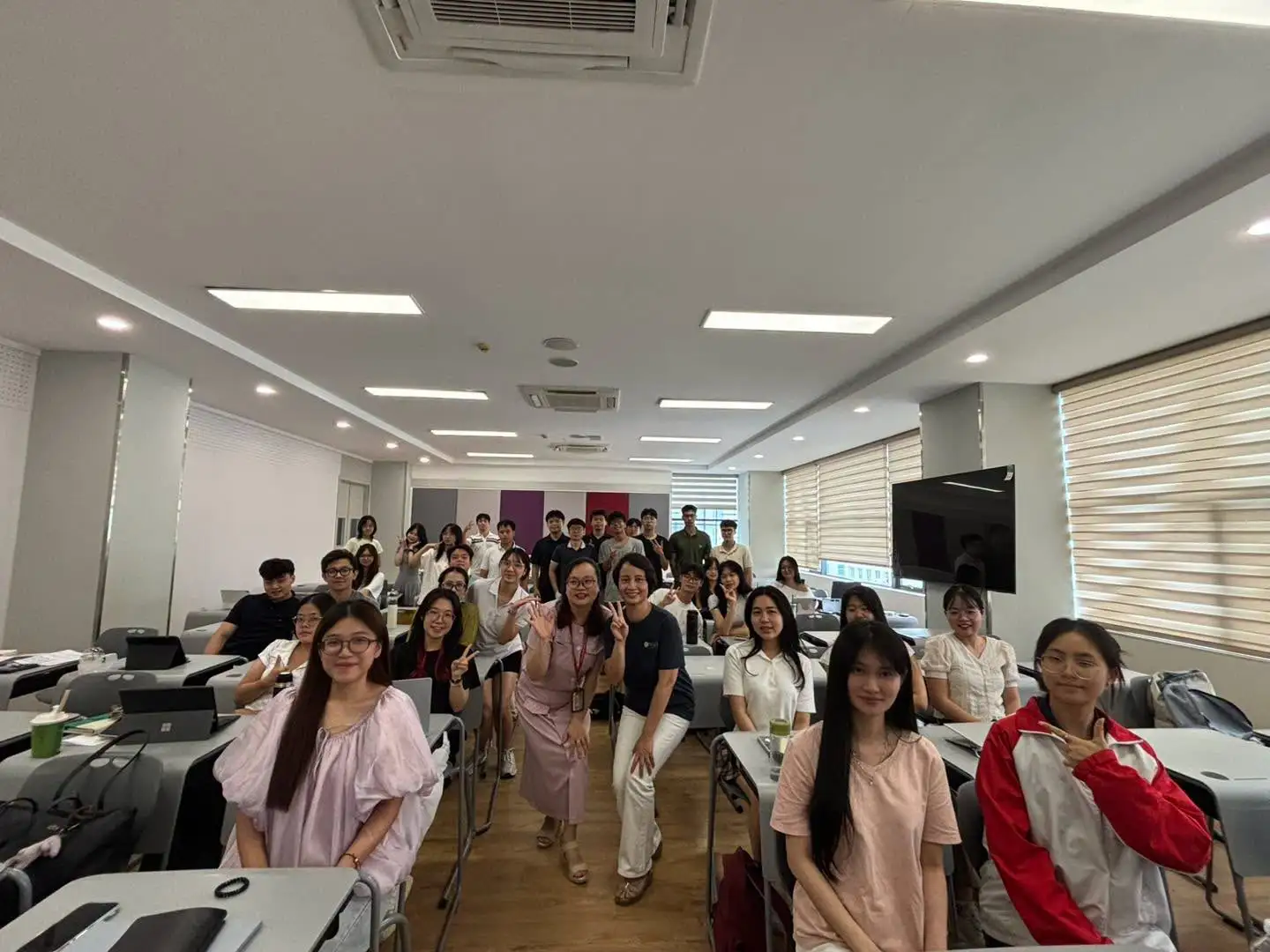
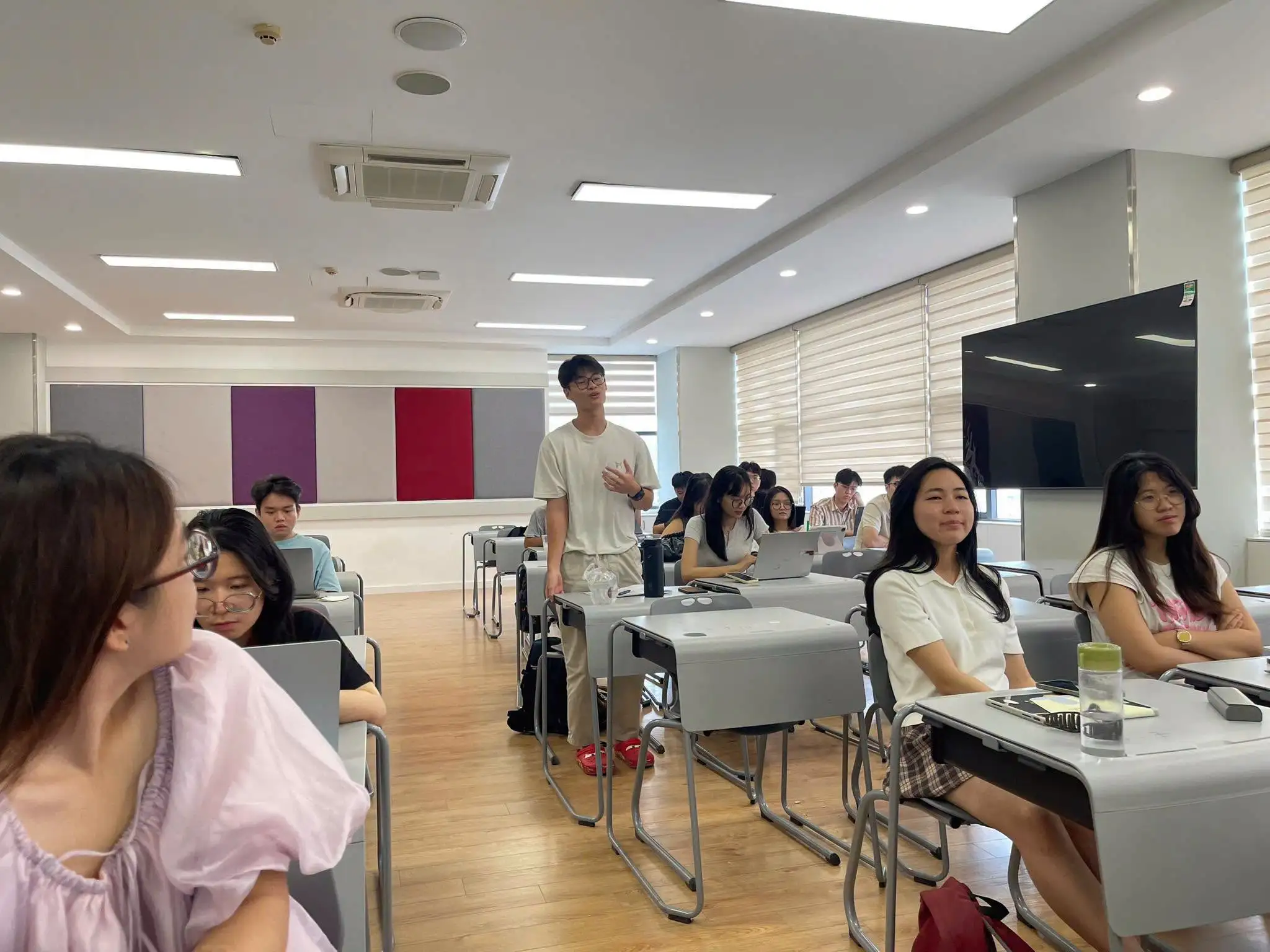
As part of the course Sustainable Entrepreneurship Management (QTR327E), students of Cohort K62 in the Advanced Program had the opportunity to participate in an insightful sharing session with Ms. Hanh Do, Co-founder and CEO of BUYO, and an alumna of Cohort K34 at Foreign Trade University. The session was also attended and supported by Dr. Tran Minh Thu, the course lecturer, providing students with practical perspectives on developing sustainable business ideas and building ventures that create value for both society and the environment.
Under the direction of “From Bio-Residues to Plastic Alternatives,” BUYO develops biomaterial solutions from agricultural and food-industry residues, with the aim of providing alternatives to conventional plastic materials. Through insights drawn from BUYO’s entrepreneurial journey, students had the opportunity to explore how environmental challenges can be approached through the integration of business and technology to develop practical and scalable solutions.
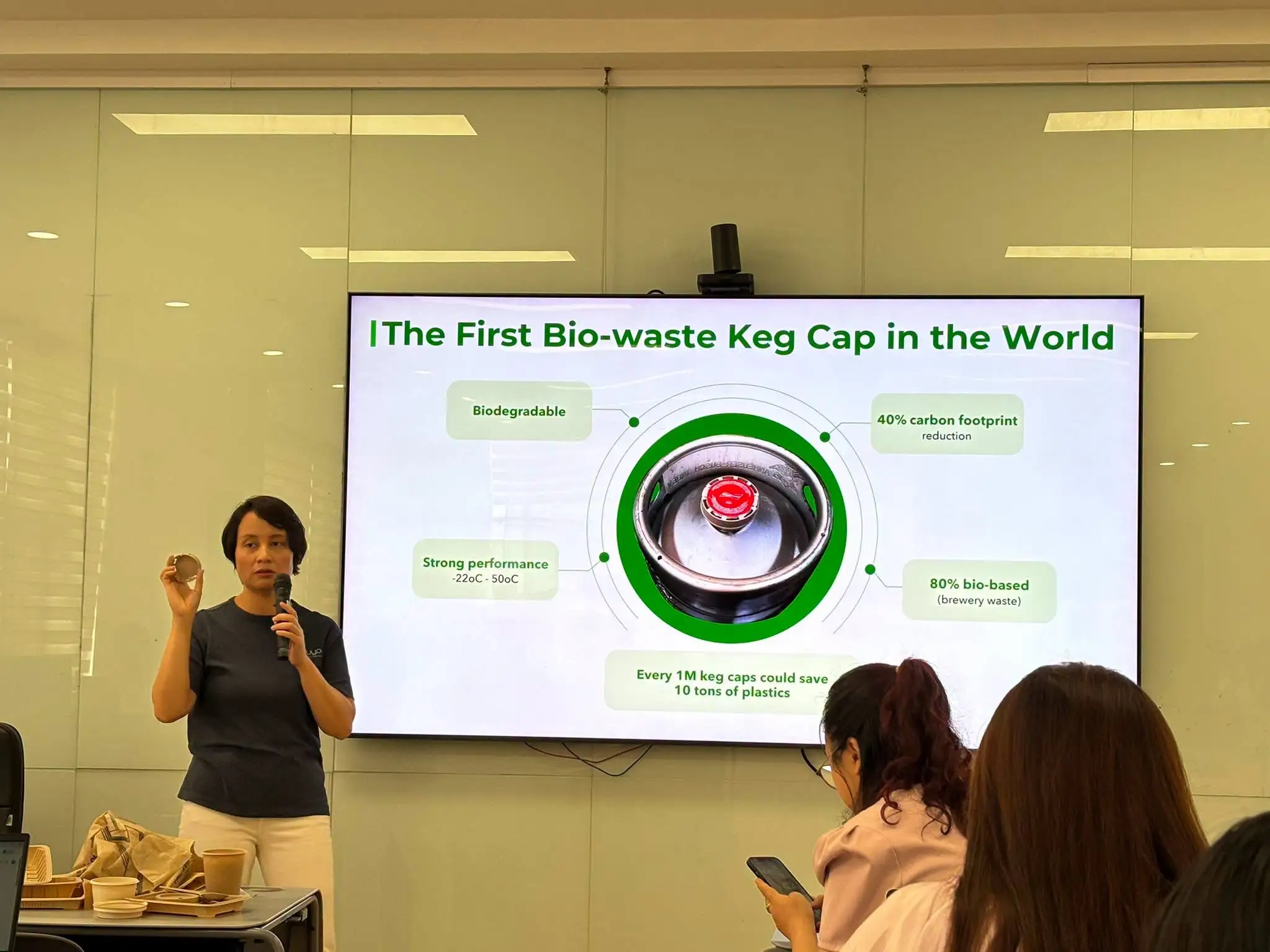
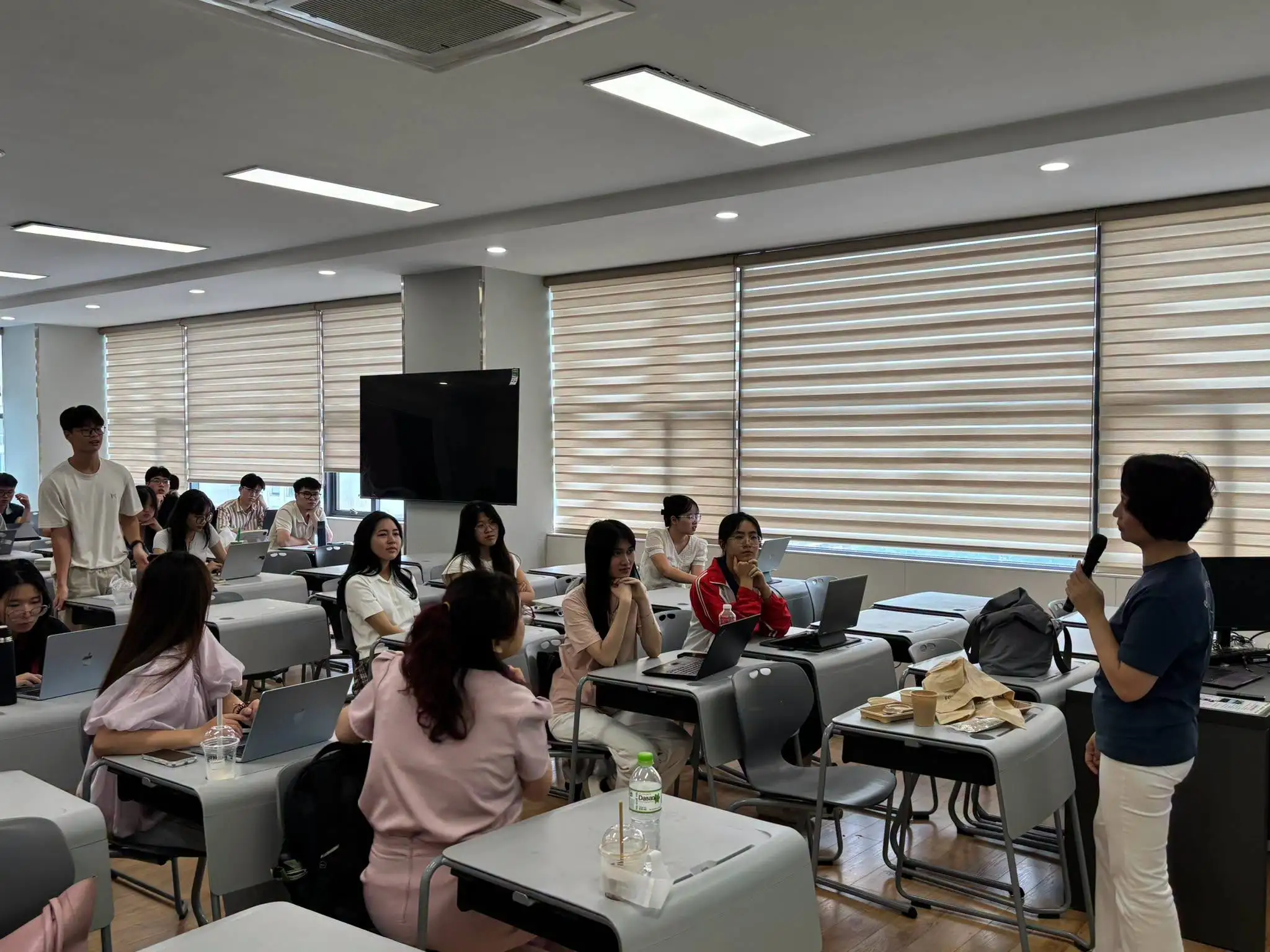
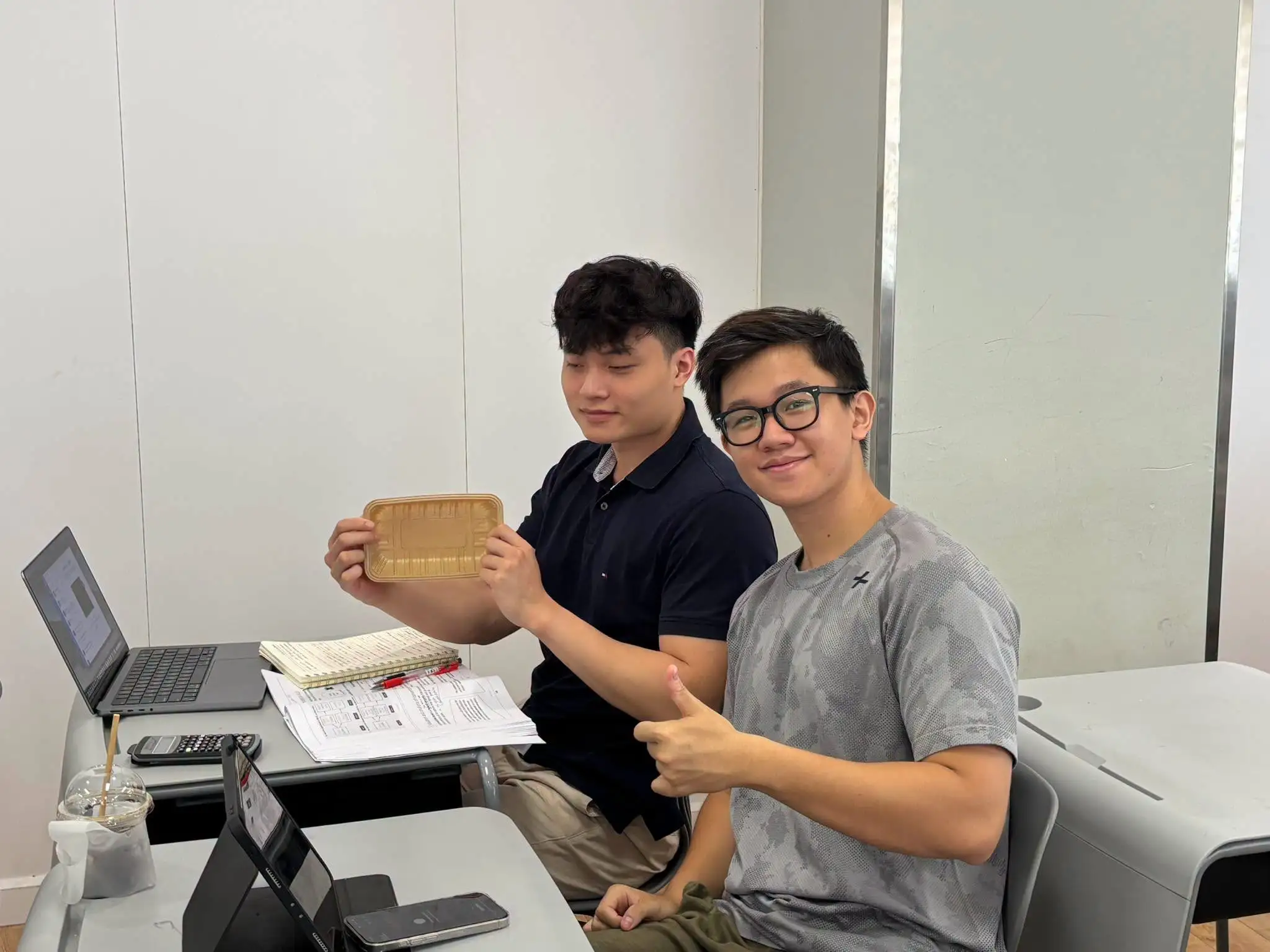
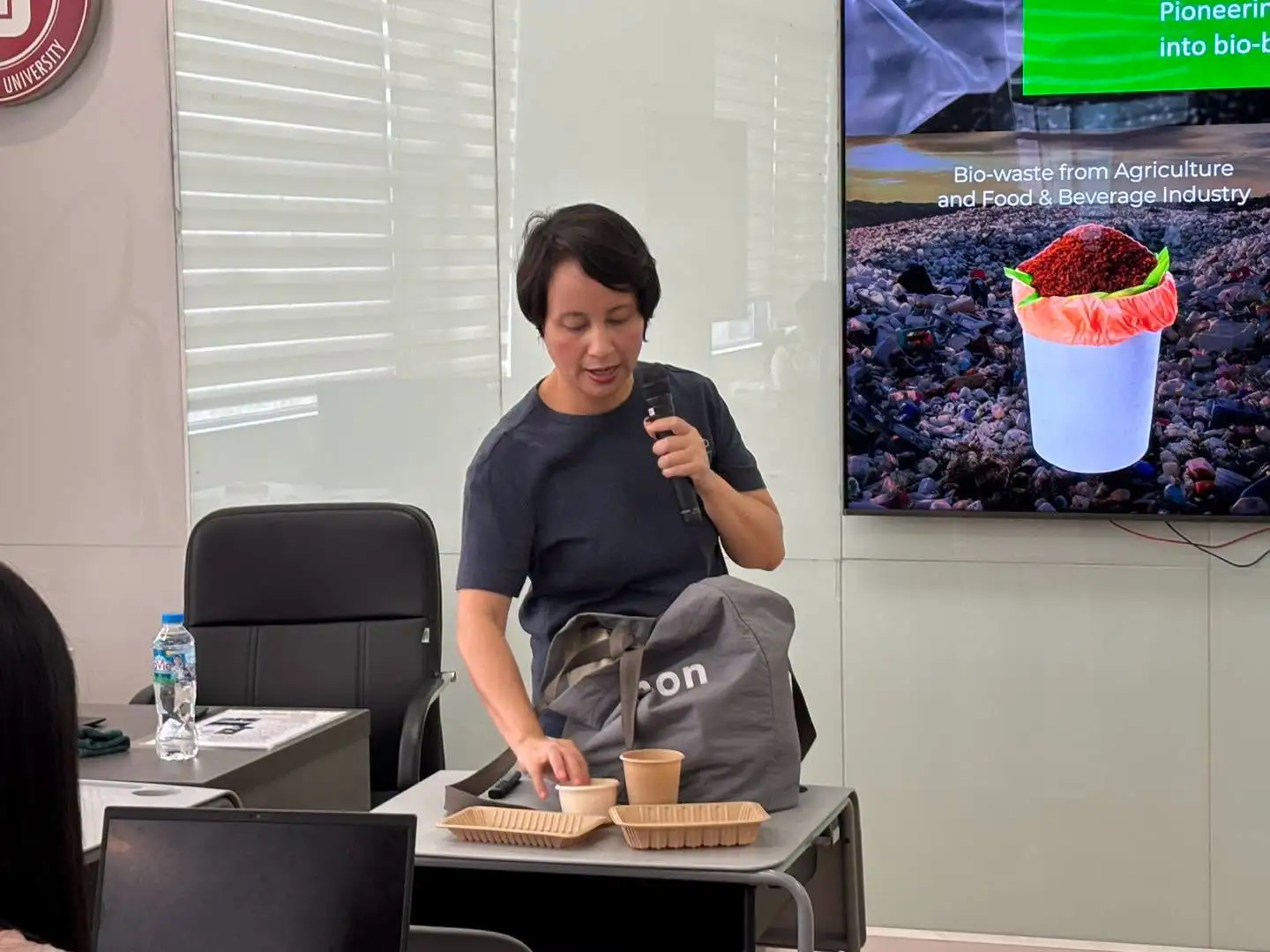
Going beyond theoretical discussions, Ms. Hanh Do introduced students to a range of products developed from bio-based materials, including trays, containers, cups, and other biodegradable products. The opportunity to directly observe and experience these products enabled students to gain a more concrete understanding of how an innovative technological solution can move from research and development to real-world applications.
SUSTAINABLE ENTREPRENEURSHIP THROUGH A PRACTICAL LENS
Through stories from BUYO’s development journey, students were introduced to various aspects of sustainable entrepreneurship, including product research and development, technology commercialization, cost optimization, business model development, fundraising, and adaptation to market needs.
The practical insights also highlighted that sustainable entrepreneurship extends beyond developing environmentally friendly products. For a solution to generate long-term impact, businesses must simultaneously address technological feasibility, market demand, cost efficiency, and scalability. These challenges represent critical considerations for startups seeking to transform innovative ideas into sustainable business models.
The session therefore offered students a more comprehensive understanding of the entrepreneurial journey while highlighting the role of innovation in addressing pressing environmental and social challenges.
FROM FOREIGN TRADE UNIVERSITY TO CREATING IMPACT
Ms. Hanh Do’s entrepreneurial journey also offered a particularly relatable perspective for students of Foreign Trade University. From her academic background at Foreign Trade University to building a technology-driven venture addressing environmental challenges, her story demonstrated how business knowledge, entrepreneurial thinking, and innovation can serve as a foundation for young people seeking to address meaningful challenges in society.
BUYO was also recognized in Forbes Asia 100 to Watch 2026, a list highlighting promising startups and small businesses across Asia that demonstrate innovation and potential for positive impact. Through its development of circular materials from waste-based resources, BUYO is working toward alternatives to conventional plastics while bringing sustainable material innovations from Vietnam to regional and international markets.
BRIDGING THE CLASSROOM AND THE BUSINESS WORLD
Connecting students with entrepreneurs and industry practitioners provides opportunities for learning beyond the classroom. Through direct exposure to real-world business experiences, students can relate academic knowledge to practical challenges while developing a more proactive approach to identifying and evaluating entrepreneurial opportunities.
The session also reflects the School of Business’s commitment to strengthening connections between academic learning and business practice, where insights from industry serve as an important learning resource for students to develop professional competencies, innovative thinking, and adaptability in a rapidly changing business environment.
The School of Business sincerely thanks Ms. Hanh Do for sharing her valuable experience and practical perspectives on sustainable entrepreneurship. The School also extends its sincere appreciation to Dr. Tran Minh Thu, course lecturer, for creating opportunities for students in the Advanced Program to engage with real-world business stories and entrepreneurial experiences.
The sharing session not only provided practical insights into sustainable entrepreneurship but also encouraged students to explore how knowledge, innovation, and social responsibility can be combined to create meaningful and lasting value for the future.