

On September 22, 2026, as part of the Risk Management course in the MBA program taught by Dr. Nguyen Thuy Anh, College of Business – Foreign Trade University organized a professional talk titled “AI & Data Risk Management in Enterprises.” The session featured insights from Mr. Tran Huu Hoang – Chief Data Officer, VNPT, and Ms. Ly Thu Hien – Expert, GTEL Information & Communication Technology Company.
The speakers discussed key risks associated with the adoption of AI in business, including misinformation, bias, data leakage, cybersecurity, privacy, and user accountability. These issues are becoming increasingly relevant to corporate management and operations as AI continues to be integrated into a growing range of business activities.
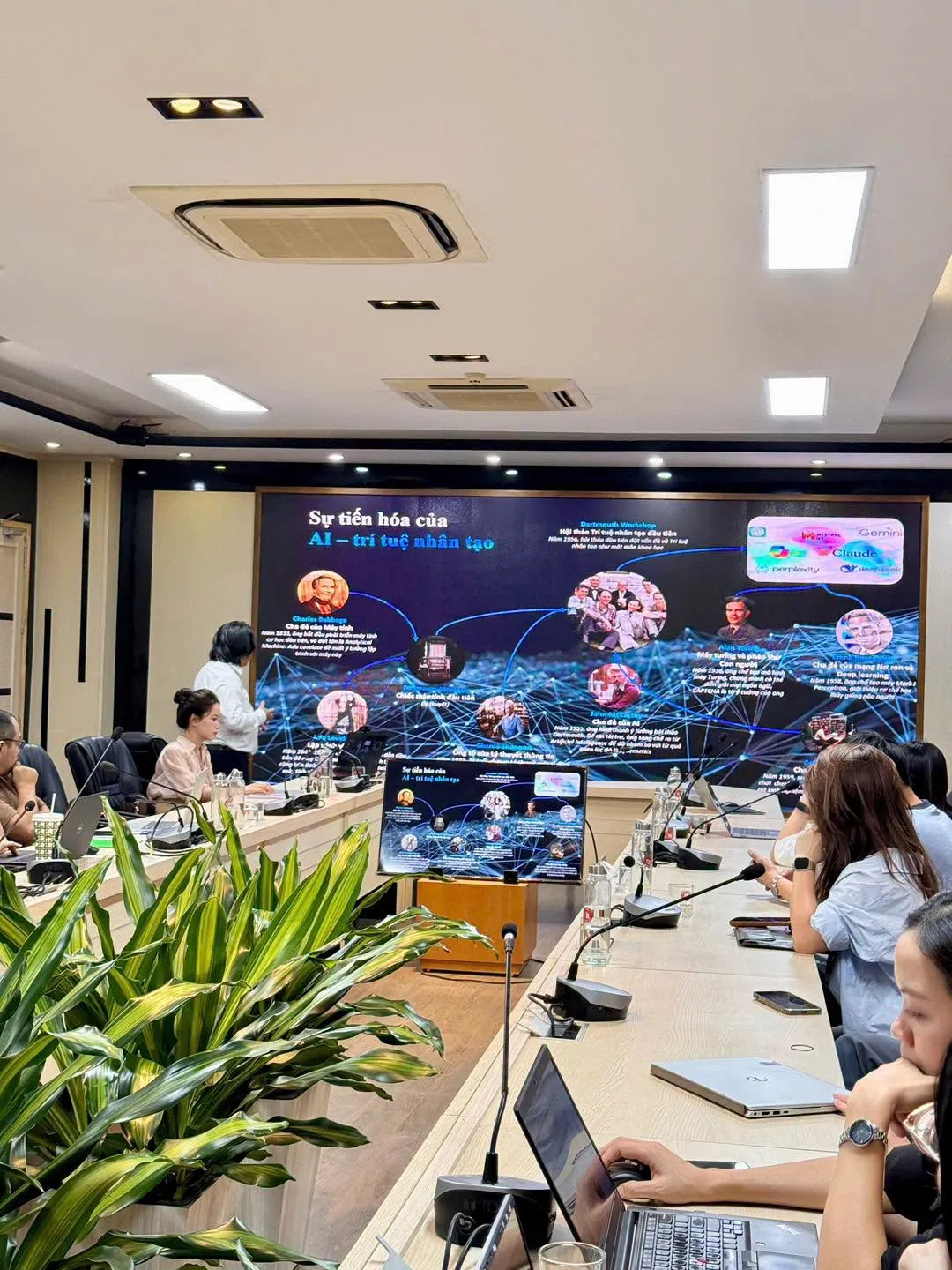
A key focus of the session was the AI Risk Management Framework (AI RMF) and its four core functions: GOVERN – MAP – MEASURE – MANAGE. The framework provides a systematic approach to managing AI-related risks, from establishing governance mechanisms and identifying risks to measuring their potential impact and implementing appropriate risk management measures.
Another notable topic was the three-layer management perspective of Governance – Management – Operation. This framework offered MBA students a broader perspective on their roles and career development in an era increasingly shaped by AI. As AI becomes capable of supporting or automating a growing number of operational tasks, capabilities in management, strategic thinking, decision-making, and risk management are becoming increasingly important.
This perspective also reflects an important educational direction pursued by College of Business: going beyond equipping learners with the ability to execute tasks, while developing their capacity for management and governance so that they can proactively adapt and create value in a rapidly evolving business environment.
The discussion between the speakers and MBA students was another highlight of the session, with many questions rooted in real workplace situations: Should companies upload internal data to AI tools? How can sensitive information be protected? To what extent can AI-generated outputs be trusted? Who should be accountable when AI produces inaccurate information? And how should organizations govern employees’ use of AI in the workplace?
These questions contributed to an engaging and practice-oriented discussion, shifting the focus from simply “how to use AI” toward “how to use AI effectively, securely, and responsibly.” The speakers also shared practical approaches, including establishing AI usage policies, clearly defining responsibilities, monitoring AI-related risks, and strengthening the protection of sensitive data.
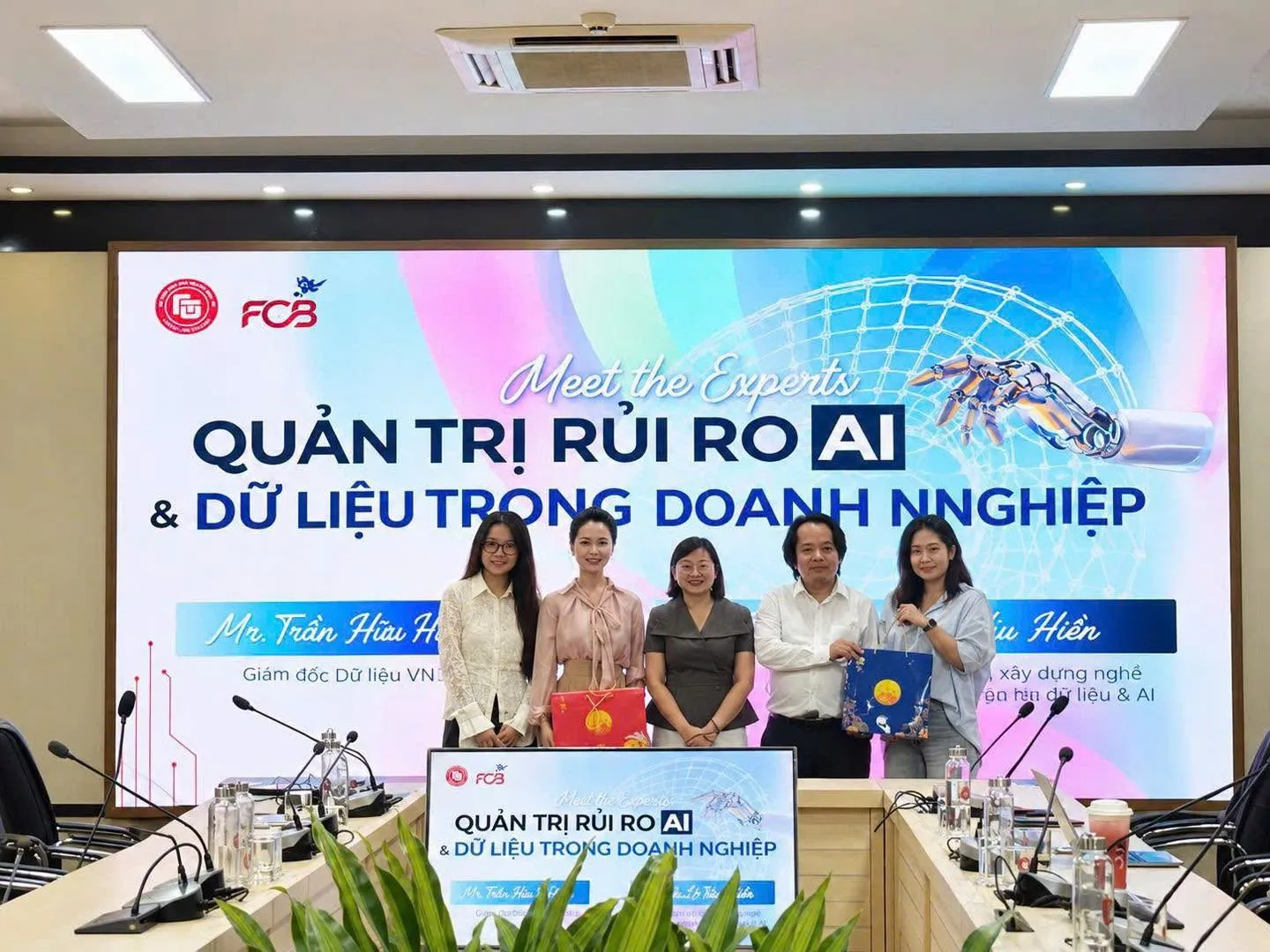
The session provided MBA students with an opportunity to connect risk management concepts with challenges currently emerging in business practice. More importantly, it highlighted a fundamental principle of AI adoption: AI offers significant opportunities for innovation and value creation, but realizing its potential requires appropriate controls, risk management, and accountability.