
As part of its ongoing efforts to enhance practical learning experiences, students from the Advanced Program in Business Administration, College of Business – Foreign Trade University participated in the workshop “From Income Generation to Wealth Management: The Financial Journey of Young People”, featuring insights from Mr. Nguyen Minh Tuan – CEO of AFA Capital and CEO & Co-founder of the Vietnam Wealth Advisors Community (VWA).
The workshop began with a thought-provoking question: “Who is wealthier?” Through relatable scenarios, Mr. Nguyen Minh Tuan introduced students to a more comprehensive perspective on personal financial health. Wealth cannot be assessed solely through income, the vehicles one owns, or the size of one’s assets. Instead, a broader view should consider assets, liabilities, and cash flow simultaneously. Net worth, in particular, is determined by the value of total assets after deducting outstanding liabilities.
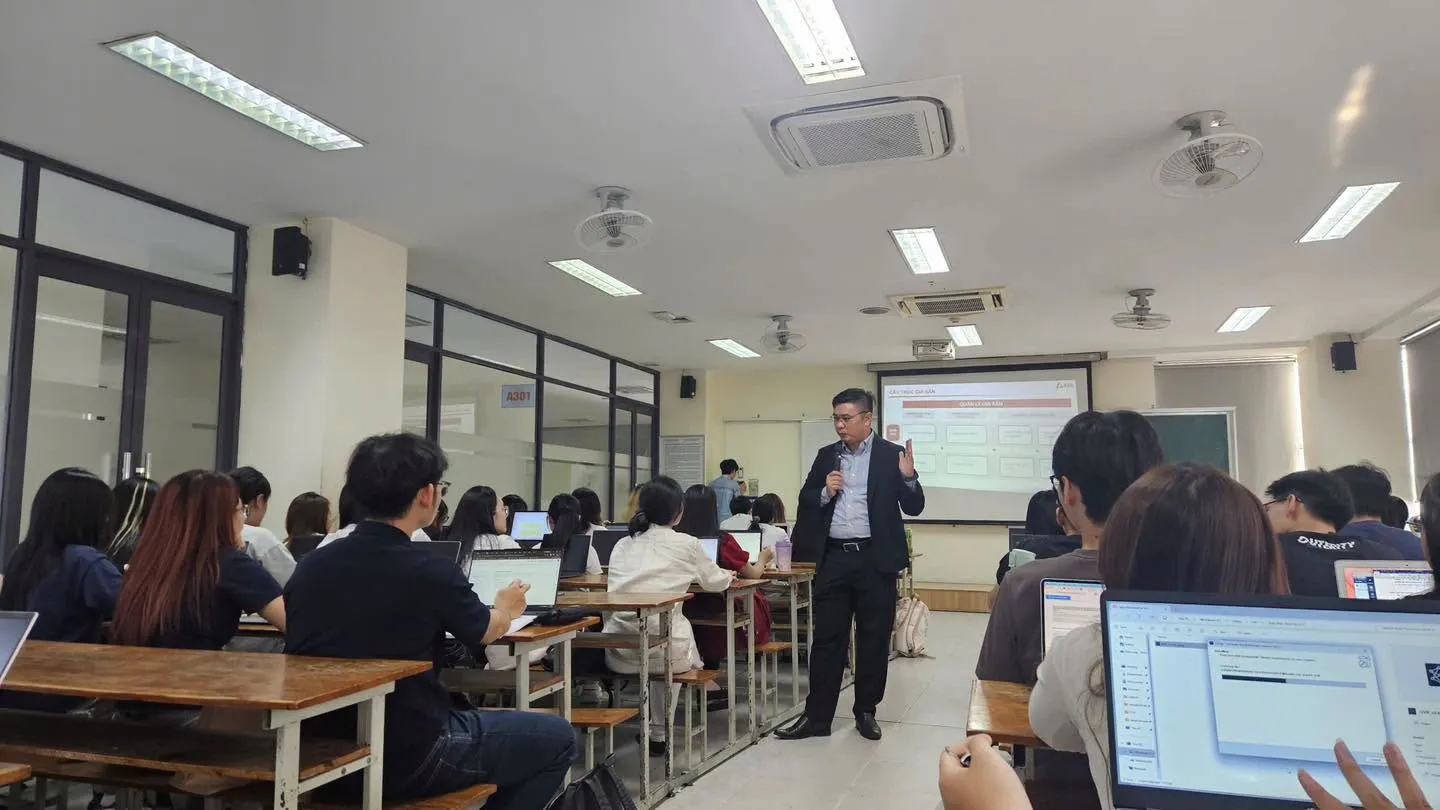
Building on this concept, students explored a broader perspective on wealth management. Wealth extends beyond savings and investments and can be built through multiple components, including personal finance, business activities, and investment portfolios, together with corresponding cash flows from regular income, business operations, financial investments, and real estate.
One particularly relevant topic for young people was intangible assets. At the early stages of a financial journey, valuable assets are not necessarily limited to money or real estate. They can also include knowledge, skills, experience, health, energy, reputation, and relationships. These intangible assets form an important foundation for strengthening professional capabilities, accessing new opportunities, and generating income over the long term.
The workshop also introduced the concept of building wealth as a long-term journey through the “Asset Pyramid” model. Beginning with intangible assets as its foundation, the structure develops through layers of protection, income generation, growth, and eventually assets associated with higher levels of risk. This framework provided students with a clearer understanding of the importance of establishing a solid financial foundation before pursuing more advanced investment and wealth-growth objectives.
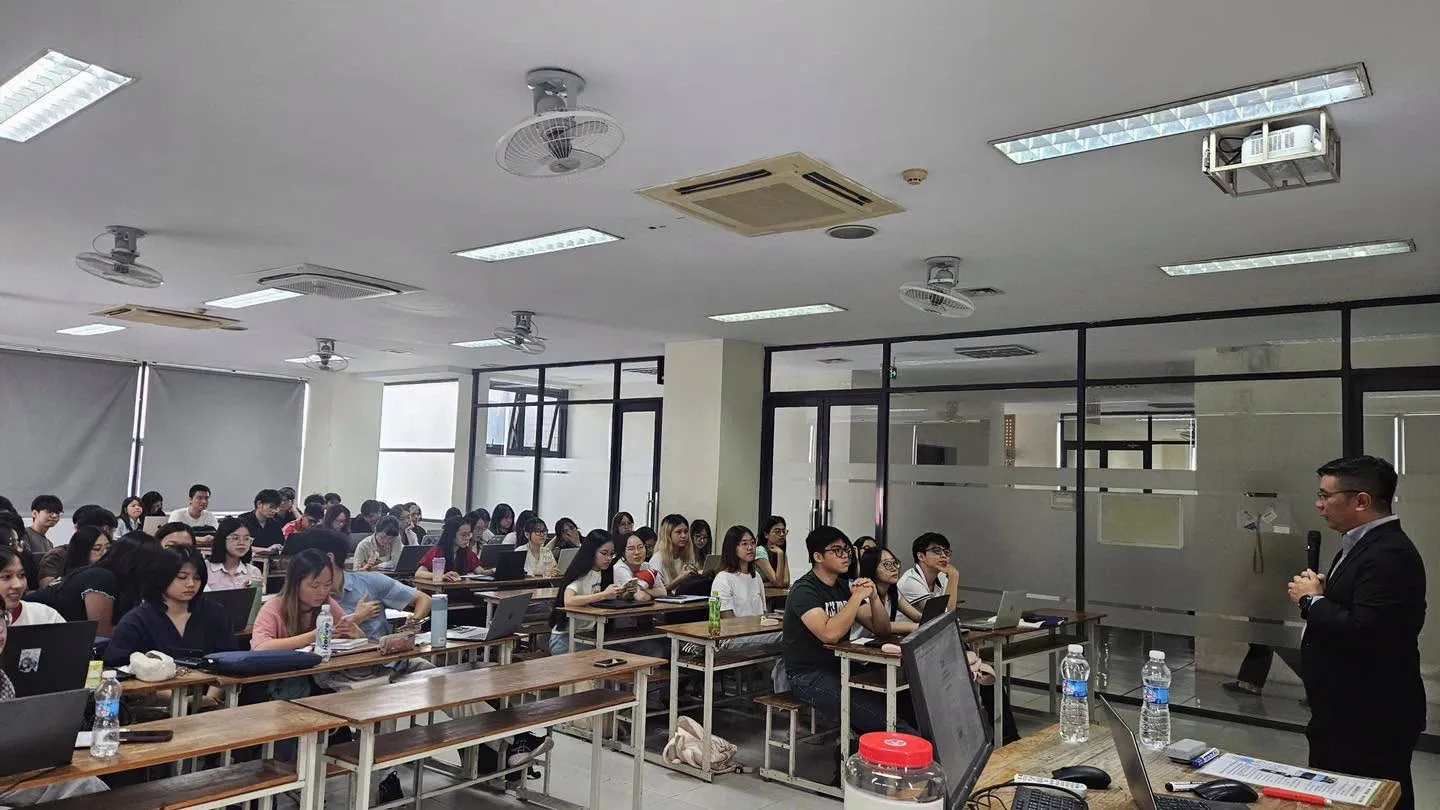
For young people, financial management therefore extends beyond the question of how much income one can generate. It also involves managing cash flow, building assets, and investing in one’s own capabilities. Different stages of life come with different financial priorities, ranging from education and professional development to career building, starting a family, home ownership, investment, accumulation, preservation, and eventual wealth transfer.
Beyond personal finance, the workshop also provided an introduction to wealth management as an increasingly relevant career field. Professionals in this area not only provide investment advice but also support clients in building, preserving, and developing their wealth over the long term.
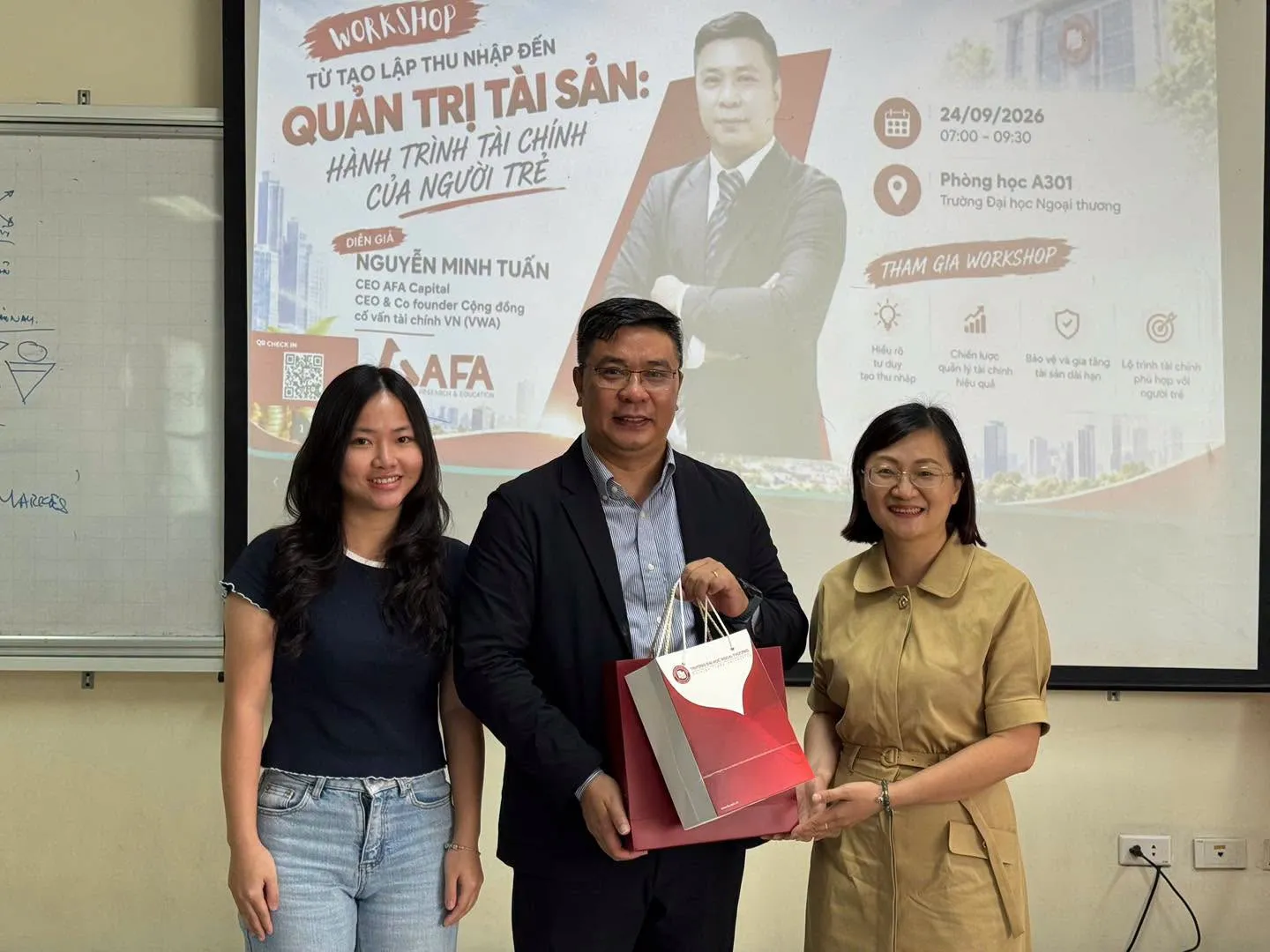
Through the insights shared during the workshop, students gained a broader perspective on personal financial development: the ability to create value is an important foundation for building long-term wealth. For young people, investing in knowledge, skills, experience, and relationships can provide a strong foundation for future income generation and financial development.